

Electric Vehicle (EV) Charging Infrastructure
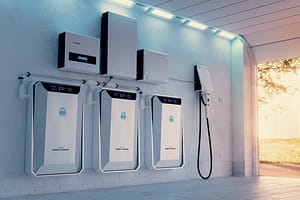
As the transition to electric vehicles (EVs) accelerates, the development of home EV charging infrastructure has become an essential component of residential electrification. Home EV chargers, particularly Level 2 chargers, enable vehicle owners to charge their cars conveniently and efficiently, turning their garage or driveway into a personal charging station. This not only provides the convenience of charging overnight but also assures the vehicle is ready to use each day, fully charged, supporting the shift away from fossil fuel-dependent transportation.
The integration of EV charging into the home energy system can also be optimized with smart technology, allowing for charging during off-peak hours to take advantage of lower electricity rates or even utilizing surplus solar energy for those with photovoltaic systems. This synergy between EVs and home energy systems underscores the broader benefits of electrification, encompassing not just how we power our homes but also how we power our modes of transportation.
Many regions offer incentives for the installation of home EV chargers, including tax credits, rebates, and utility programs designed to encourage the adoption of electric vehicles by making home charging more accessible and affordable. These incentives, coupled with the decreasing cost of EV technology and the increasing concern for environmental sustainability, suggest that home EV charging will continue to be a critical aspect of the electrification movement, contributing significantly to the reduction of greenhouse gas emissions and the promotion of clean, renewable energy sources.

Overview of EV Infrastructure Installation for Residential Customers
As electric vehicle (EV) adoption grows, homeowners are increasingly exploring options to install EV charging infrastructure. Here’s a quick breakdown of the key considerations, recent trends, and cost estimates.
1. Types of EV Chargers
- Level 1 Chargers (120V):
- Uses standard household outlets.
- Slow charging (4-5 miles per hour of charging).
- Ideal for light, overnight charging needs.
- Cost: Minimal if using existing outlets; ~$200-$300 for a dedicated unit.
- Level 2 Chargers (240V):
- Requires professional installation of a 240V outlet.
- Faster charging (20-40 miles per hour of charging).
- Supports most EVs and is suitable for daily full recharges.
- Cost: $500-$700 for the charger; $1,000-$2,500 for installation (including electrical upgrades).
- Level 3 (DC Fast Chargers):
- Rare for residential due to high cost and power requirements.
- Suitable for fleets or multi-family housing with substantial infrastructure.
- Cost: $10,000-$50,000+ including installation.
2. Installation Process
- Electrical Assessment:
- A licensed electrician assesses your home’s electrical capacity.
- May require panel upgrades for older homes.
- Permits and Approvals:
- Local building permits are often required.
- Compliance with local codes and utility guidelines.
- Installation:
- For Level 2, installation of a dedicated circuit is typical.
- Chargers are wall-mounted or placed on pedestals for outdoor use.
3. Recent Trends
- Smart Chargers: Many new chargers come with Wi-Fi capabilities, enabling scheduling, energy monitoring, and integration with smart home systems.
- Utility Incentives: Utilities are offering rebates and discounts on both chargers and installation.
- Solar Integration: Homeowners with solar panels are increasingly integrating EV chargers to optimize energy use and reduce costs.
- V2H (Vehicle-to-Home): Emerging systems allow EVs to serve as backup power sources for homes, driving interest in bi-directional chargers.
4. Cost Considerations
- Base Installation Costs:
- For Level 2 chargers, the total cost typically ranges between $1,500 and $4,000.
- Additional costs for upgrading electrical panels can add $1,000-$3,000.
- Ongoing Costs:
- Electricity costs vary by region but generally result in $0.04-$0.20 per mile, depending on rates and EV efficiency.
- Rebates and Tax Credits:
- Federal and state programs often offset installation costs. For example, the federal Residential Clean Energy Property Credit provides a 30% tax credit for eligible EV chargers.
Key Takeaways
- Level 2 chargers are the most practical and popular option for residential customers.
- Installation costs can vary significantly depending on your home’s electrical capacity and local requirements.
- Utility rebates and tax incentives can substantially reduce out-of-pocket expenses.
- Trends like smart chargers and solar integration are shaping future installations.
Planning ahead and consulting with a licensed electrician ensures a smooth installation process tailored to your needs.
Latest News


Buying Guides